

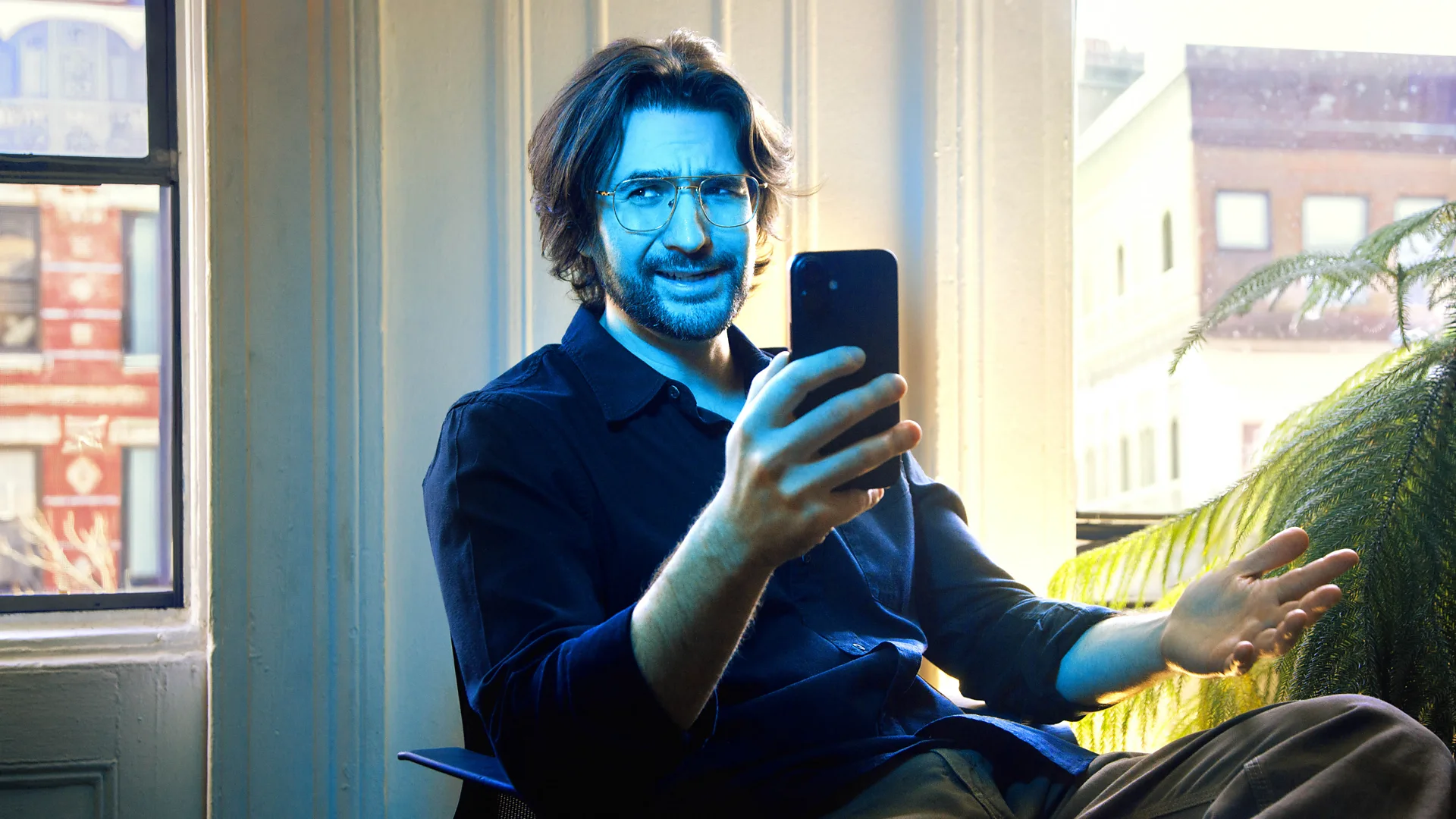
For years, blue light has been cast as the villain behind restless nights and poor sleep quality. Smartphones, tablets, and laptops have all been blamed for disrupting our internal clocks. But emerging research suggests the story may not be so simple—and that blue light alone isn’t the sleep destroyer it’s often made out to be.
Blue light does play a role in regulating our circadian rhythm by influencing melatonin production, the hormone responsible for sleep. Exposure to bright light in the evening can delay the body’s natural wind-down process. However, scientists now argue that the intensity and context of light exposure matter far more than the specific color emitted by your screen.
Compared to natural daylight, the amount of blue light emitted from smartphones is relatively low. Studies indicate that typical device usage at night has a minimal direct impact on sleep patterns for most people. In fact, overall brightness and how engaged you are with the content may have a stronger effect than the light spectrum itself.
What truly disrupts sleep is behavior. Scrolling endlessly through social media, responding to work emails late at night, or consuming stimulating content keeps the brain active when it should be slowing down. This cognitive engagement delays relaxation and makes it harder to fall asleep, regardless of screen type.
Sleep experts suggest focusing less on eliminating blue light entirely and more on building healthier nighttime habits. Dimming your screen, enabling night mode, and setting boundaries around device use can all help signal to your brain that it’s time to rest.
In the end, your phone isn’t necessarily the enemy—how and when you use it is what really matters.




Leave a Reply