

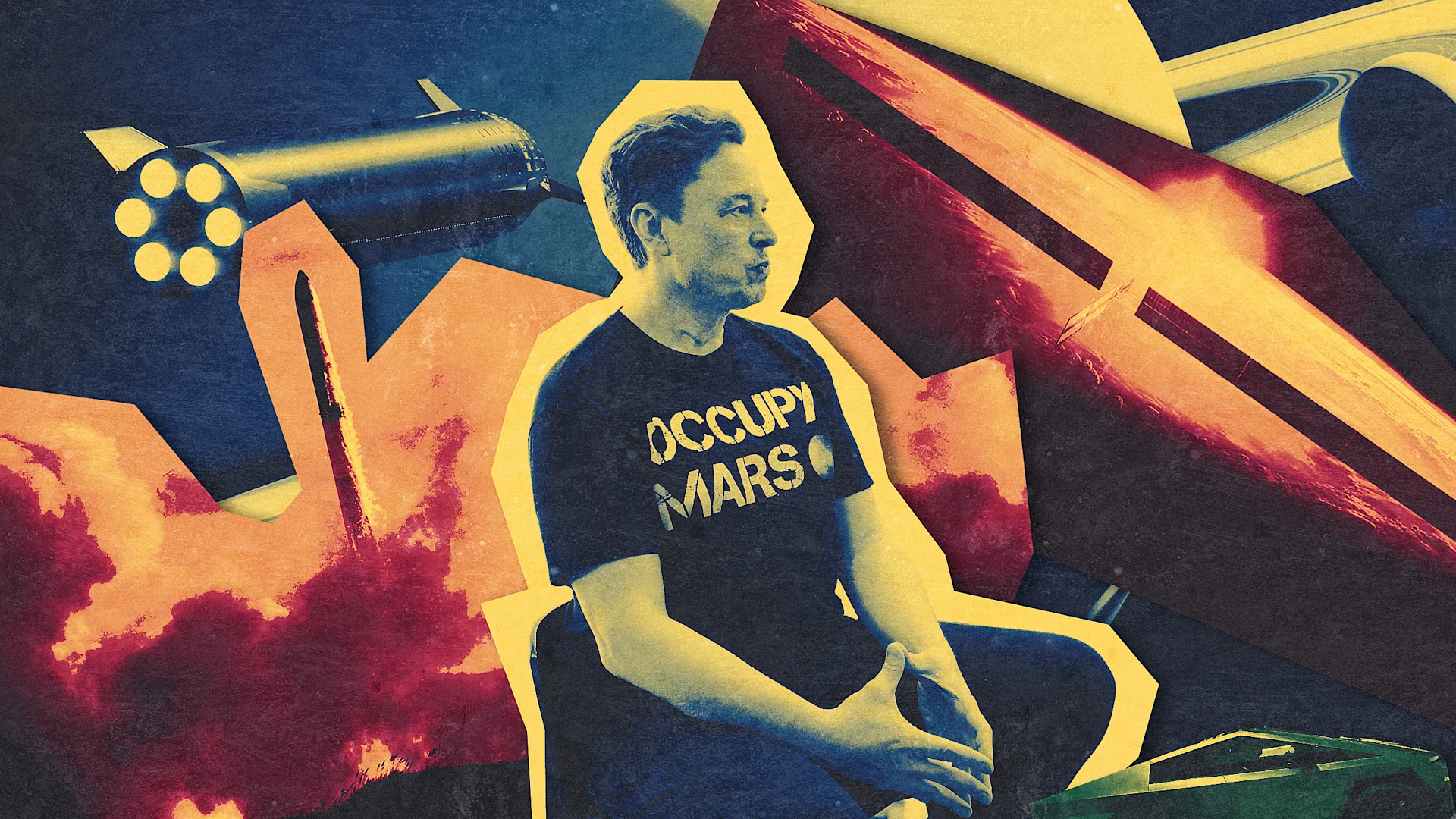
Few companies command as much fascination—and speculation—as SpaceX. As talk of a potential IPO resurfaces, so do eye-watering valuation estimates that place the company among the most valuable in the world. But behind the numbers lies a narrative that feels closer to science fiction than traditional finance.
At the center of this narrative is Elon Musk and his long-term vision of making humanity a multi-planetary species. Projects like Starship and ambitions of colonizing Mars are not just technological goals—they are key drivers of investor imagination. The idea that SpaceX could one day enable interplanetary travel or build a self-sustaining economy beyond Earth has fueled extraordinary optimism.
From a business standpoint, SpaceX already has strong fundamentals. Its launch services dominate the commercial space industry, and its Starlink satellite network is rapidly expanding as a global internet provider. These revenue streams provide real, measurable value and justify a significant portion of its valuation.
However, critics argue that the most aggressive IPO projections go far beyond these existing businesses. Much of the hype is tied to future possibilities—mass-scale space travel, off-world infrastructure, and entirely new economic systems. While groundbreaking, these remain uncertain, capital-intensive, and years away from profitability.
This blend of tangible success and speculative vision creates a unique valuation dynamic. Investors are not just buying into current performance—they are pricing in a future that may or may not materialize. In that sense, SpaceX’s valuation becomes part financial model, part belief system.
Whether the company eventually goes public or continues to raise private capital, one thing is clear: SpaceX sits at the intersection of reality and ambition. Its valuation reflects not just what it is today, but what it dares to become—and how much the world is willing to believe in that future.





Leave a Reply